
The Fleshy Womb of Creation
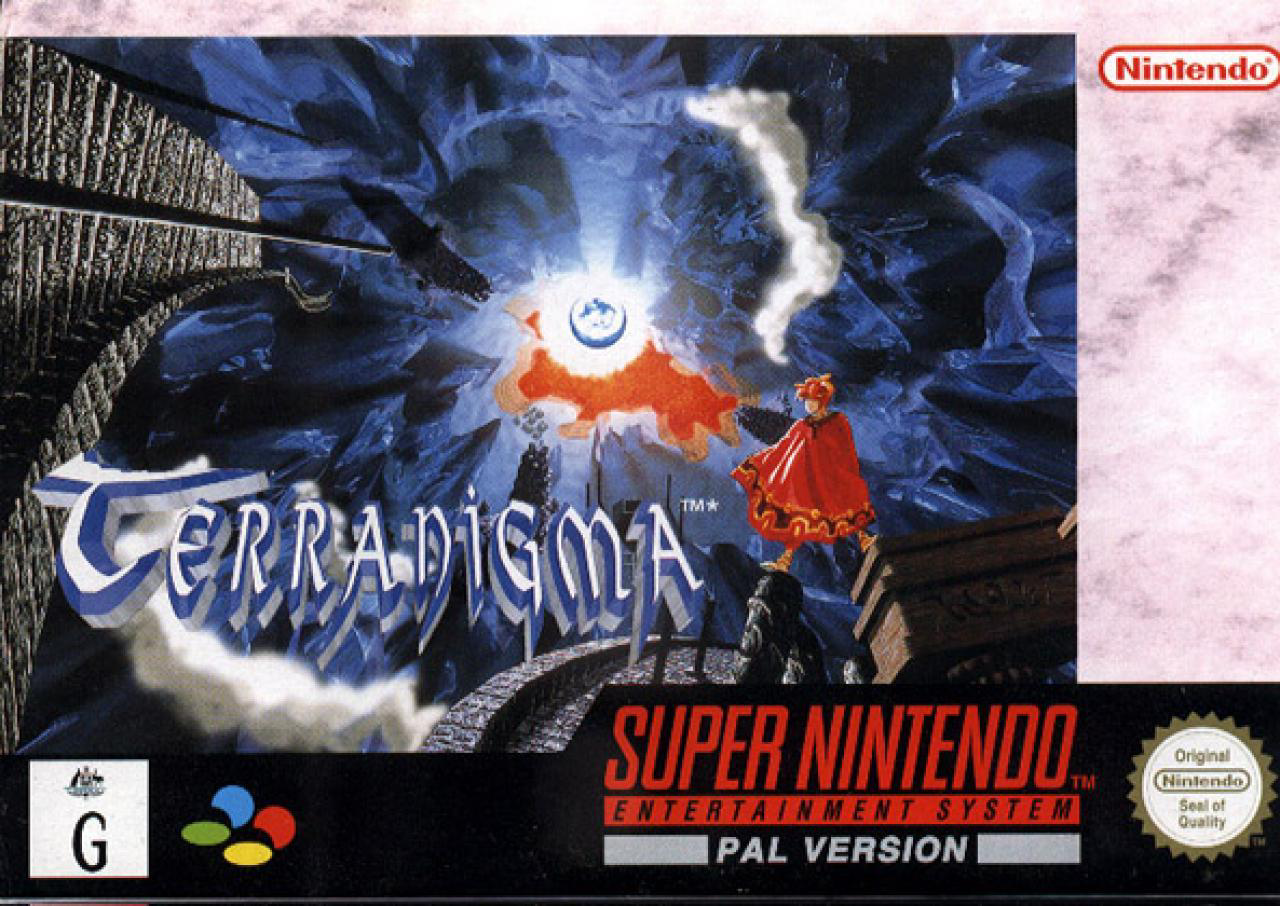
(Spoiler warning: This post discusses the ending. But please don’t let that stop you from reading. I only talk about the main character’s arc and the themes of the game. The rest is completely unspoiled.)
I received Terranigma from my cousins as a hand me down as a child, along with my Dreamcast. The problem was that I didn't have a SNES, so I would rent one from my local library. It was a fun game, but because I was a kid, I didn't understand it too much. Over the years, I've gone back and understood more and more what Quintet was going for.
You get to see the protag, Ark, who is a bored kid who spends his days terrorizing the locals in his village. He inevitably makes his way into the village elder's forbidden basement and pops open Pandora's Box because bro is looking for a cheap thrill, and accidentally triggers a cataclysm that instantly freezes everyone in his hometown into solid ice. The elder tells him he has to resurrect the entire overworld to fix his mistake. Ark basically gets the role of a universal construction worker.
Standard god games usually put you up in the clouds, where you point a little hand cursor at a patch of dirt, press the A button, and watch a tree spawn out of thin air. Terranigma forces you to do the heavy lifting of genesis on the ground. You'll have to resurrect whole continents by walking into brutalist, trap-filled towers and beating up monsters with a sharp stick. Ark forces the world back into existence through pure, unadulterated exertion. From a design perspective, it shows a pretty cool translation of Marx's concept of labour-power. Marx defined labour-power as the combo of mental and physical capabilities existing in a human being, which they exercise whenever they produce a use value. Usually in an RPG, your main thing you have is usually an arbitrary pool of magic points. In Terranigma, your primary resource is the kinetic energy stored in Ark's shoulders. The developers reduced the divine act of creation down to the blue-collar grunt work of hitting shit until a new landmass erupts from the ocean. You are trading Ark's bodily wear and tear for the material resurrection of a dead planet.
You might think this sounds like an exhausting premise for a video game, but no. I love every damn minute of this shit. You know that warm feeling where your actions feel like they have actual, real effects on the world? Guiding Ark through those sterile underworld towers gave me a taste of that, where I'd watch this dead rock slowly populate with plants, animals, and eventually bustling cities entirely because we put in the actual work to make it happen.
The Thumping Pulse of Nature
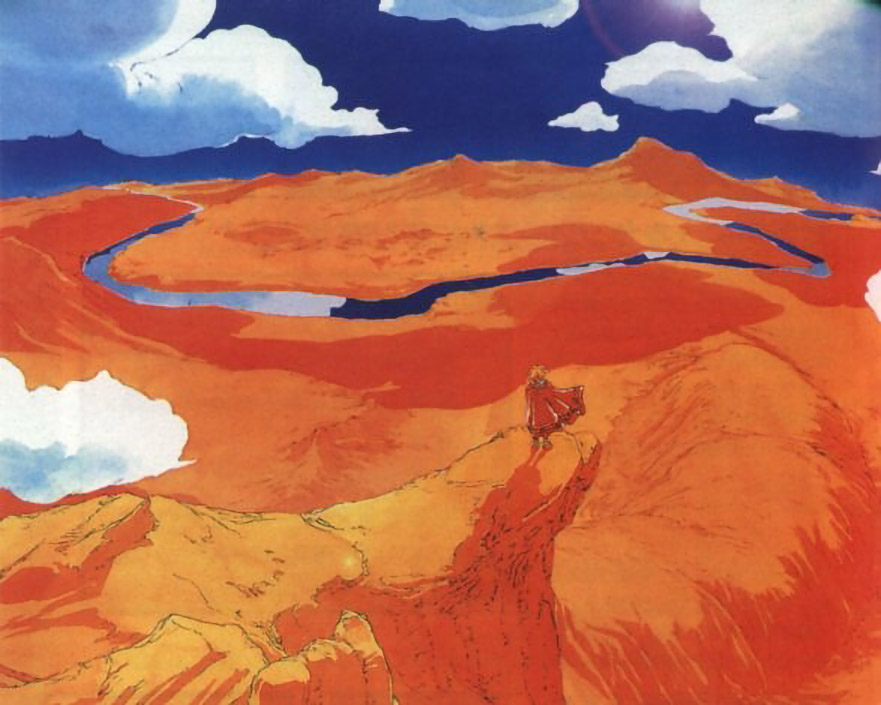
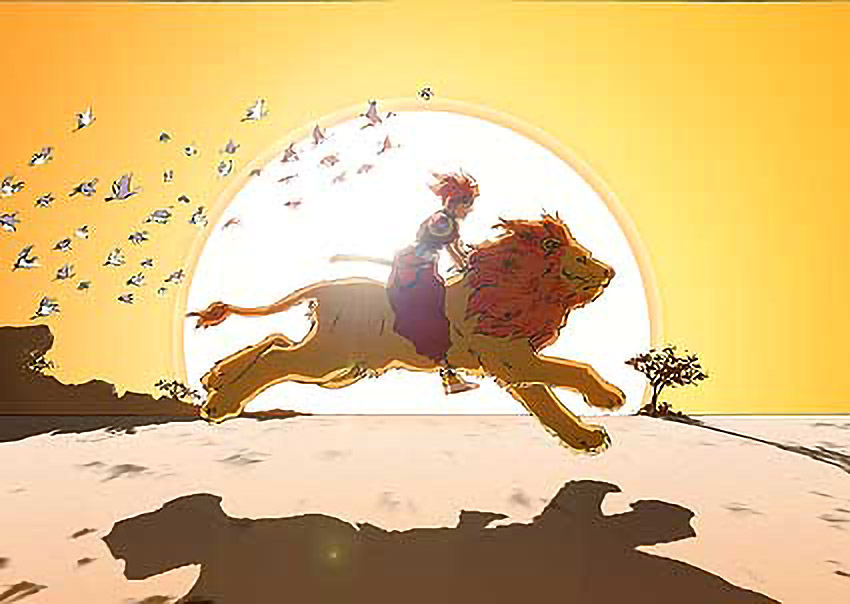
The game immediately shoots you out of the Underworld and drops you onto a dead, barren rock. Bringing the plant life back requires Ark to climb inside the towering Ra Tree and clear out a big, rotting, parasite infested digestive tract. You spend hours fighting mutated bugs that are actively tearing at the internal organs of the plant. The work is disgusting and exhausting, and we get covered in biological sludge just to secure the survival of basic flora. Once you’ve gotten that done, the animals require the exact same brutal labour. You now go up the jagged, freezing cliffs of Eklemata and watch wolves freeze to death in the snow. You bleed out on the ice while trying to establish a functioning food chain; and when you finally succeed, the crushing silence of the dead world dies. Millions of noises fill the continents, and you can almost feel the world rattling with the volume of a resurrected biosphere. Ark ends up being able to talk directly to the lions and the birds because he shares their exact biological footing with the dirt crammed under his fingernails.
This brings us right to Marx and what environmental sociologists call the metabolic rift. John Bellamy Foster wrote at length about how Marx viewed human beings and nature as fundamentally interconnected through a constant, living metabolism. Capitalism killed that connection by forcibly extracting nutrients from the soil, shipping them to urban centers, and flushing them away as waste. We’ve become physically and psychologically alienated from the earth. Terranigma forces you to play through the mending of that rift, and have you perform the role of a creator deity while completely submerged in the mud with them. He functions as an active participant in the planet's metabolism, trading his own sweat for the ecological stability of the soil.
The dungeons, which don’t even feel like dungeons, but as places that have been overrun by creatures with time, operate as acts of ecological ressurection. Clearing them requires you to use your body to manually restart the stalled organs of the planet. Basically, they represent a suffocating ecosystem that needs you to clear the blockage, and you are fighting to give the environment permission to exist independently of your own human needs.
Baruch Spinoza had a concept called Laetitia, which we usually translate as joy. Spinoza defined this joy specifically as the ontological transition of a being moved towards a greater state of perfection or reality, i.e expanding your capacity to affect and be affected by the world itself. Watching the barren overworld map start to have green forests and swarms of migrating birds generates pure, unfiltered Laetitia. You feel the grounded, bodily thrill of being a biological creature participating in a massive, living system. You can feel this exact same joy right now by stepping outside, smelling the wet earth after a heavy rain, and remembering that you are on this planet. We're part of a breathing ecosystem, and there is power in recognizing our shared existence in the shit.
The Gates Have Been Shut
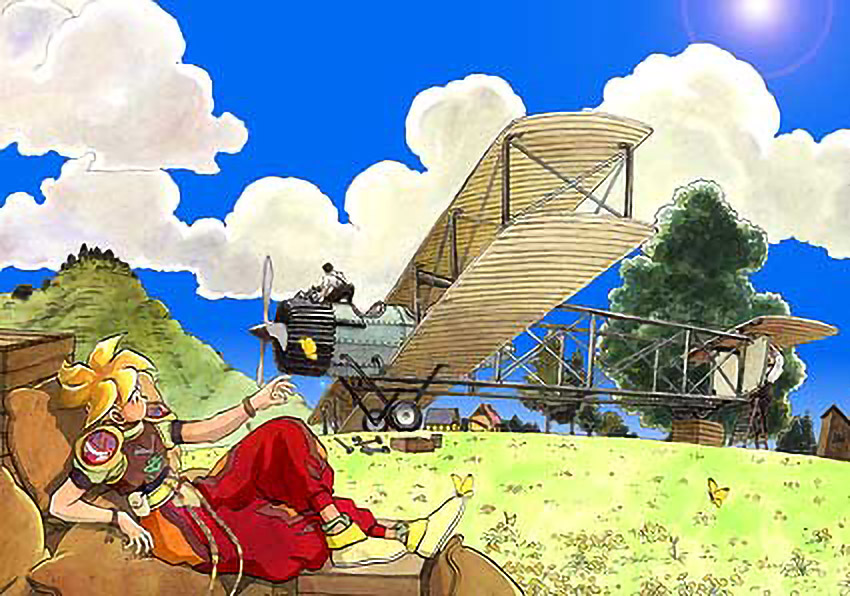
You spend that part of the game basking in the muddy joy of being integrated into a breathing biological ecosystem, and then the game pulls a bait-and-switch, where it introduces human civilization to the planet. The game forces you to watch expanding human towns pave over the forests you just spent resurrecting; the animals you personally saved from extinction are aggressively driven back to the brink of death by smog and industrialization, and you lose the ability to speak to the lions and the birds. Magic disappears from the game world, and the wild biological reality you built with your own two hands becomes a gray, suffocating concrete enclosure.
The primary antagonist of this part of the game is a scientist named Beruga, and he’s essentially a premonition of the late-capitalist technocrat. We are dealing with a direct analogue to guys like Elon Musk or Jeff Bezos. He wants to create a sterile, fascist utopia where the wealthy live in immortal vat-grown bodies while the global poor are systematically exterminated by a highly contagious virus... sound familiar? Now let’s talk about the concept of the alienation of labour. (It ties in here, don’t worry!) Ark did the grunt work of pulling the continents out of the ocean and breathing life back into the dirt, and Beruga simply shows up after the hard work is finished, steals the fruits of Ark's labor, and repurposes the planet into a fucking mechanized death camp. The game weaponizes capitalist realism by making Beruga's technological takeover feel inevitable and suffocating.
It's actually kinda interesting how the game goes about showing this through gameplay. Terranigma gives you an economic system where you invest in local businesses, and actively push global technological progress forward. The game pushes you to do this by locking the best weapons and armour behind the economic growth of these cities. You are now made complicit in the destruction of the natural world because you need those better swords to survive the endgame; the devs essentially trap you in a system where you must fund the very industrialization that pumps black smoke into the sky and kills off the animals you bled for earlier in the game.
We are actively watching the theft of our own joy in front of our faces. We wake up, endure the endless cycle of the daily 9 to 5, breathe heavily polluted air, while we’re still aware that our collective labour is constantly being extracted to fund dystopian space races for a handful of billionaires. The game forces us to confront a reality about the modern world; that we have to figure out how to hold onto our collective joy when the beautiful things we care about are being commodified and enclosed by people who view the planet as a factory floor.
Chapter IV: The Core Shrine
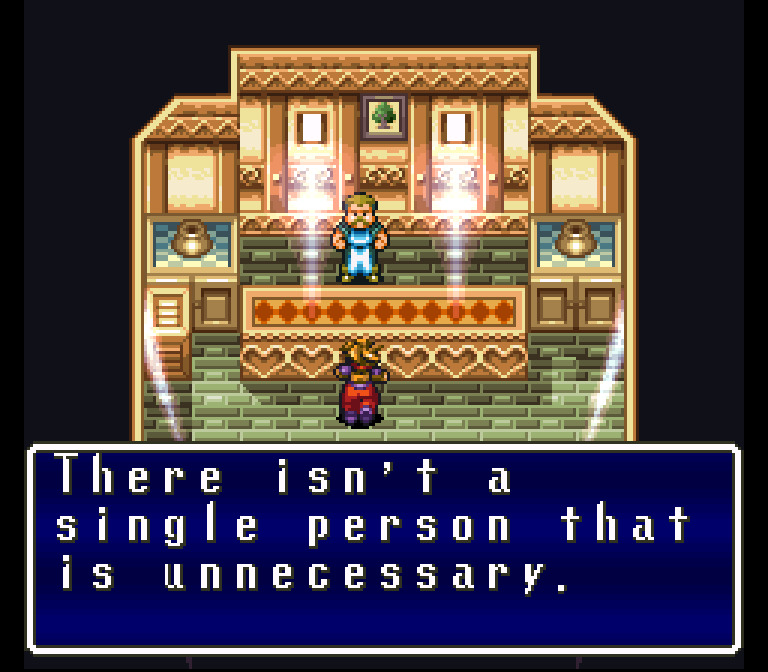
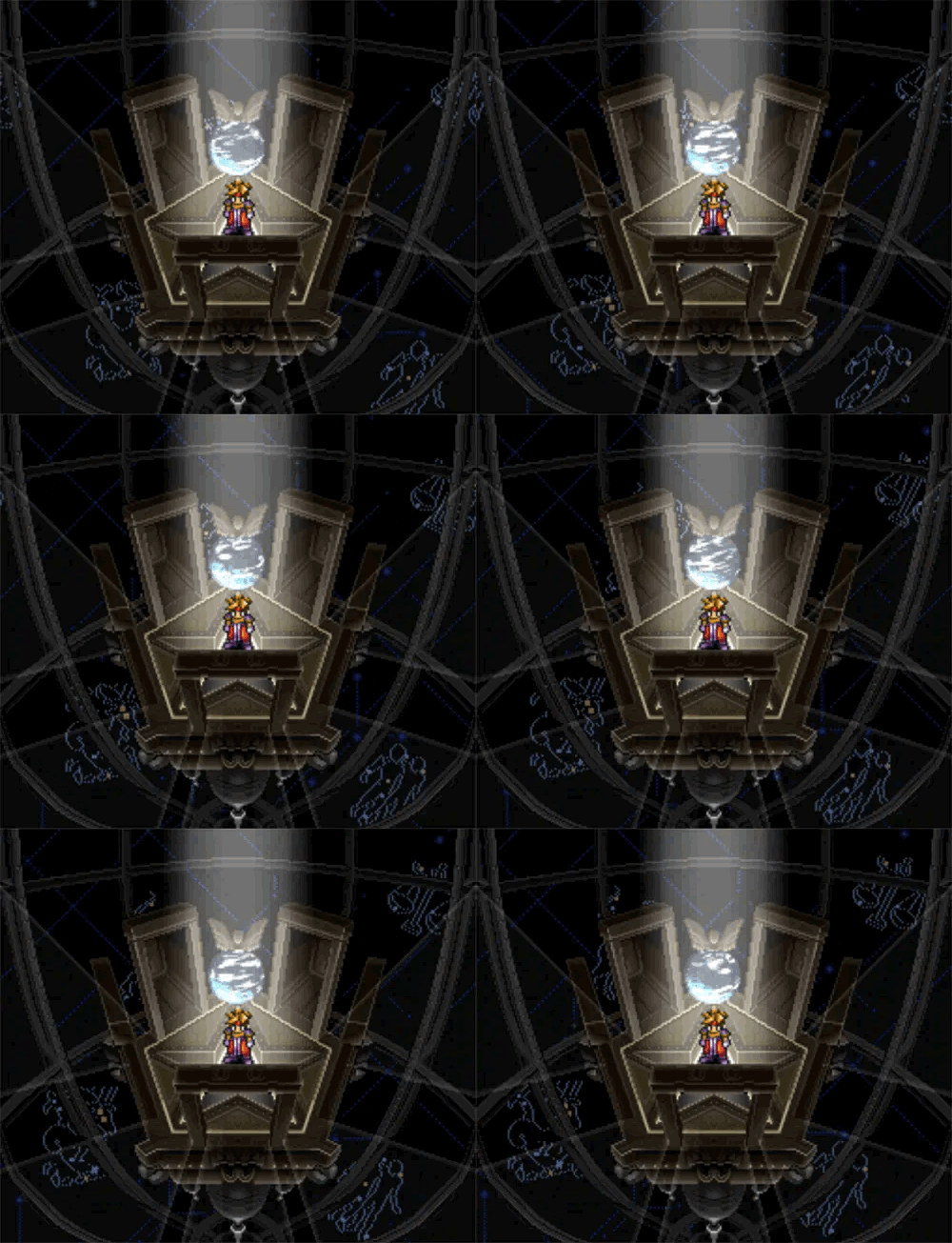
After all of that happens, Ark takes a metaphorical sledgehammer to the capitalist machine and smashes the vats of immortal fascist science. We learn that Ark is a creature of the Underworld and a manufactured tool of the devil, and he must die so the liberated world can live on without his interference. The creator has to step away from their creation.
To be against the billionares and the absurdly wealthy fascists today means looking at the dread right in the face. We are doing the exhausting labour for a future we will likely never live to see. We are constantly planting trees whose shade we will never actually sit in. Ark does the same to ensure the material world can dictate its own future. He makes this final act of resistance while remaining aware that he will be erased from the very reality he built.
You spend the whole game grinding levels and pouring hours into saving a digital planet. The credits roll, you turn it off… and the entire world you just saved vanishes into nothing. This game subverts the fact that we’ve been conditioned by capitalism to believe that anything we invest our time and labour into should belong to us forever. But here, it doesn’t. The world ends the moment you stop playing, and that’s the whole point.
Ark spends his final night before his erasure in a state of peace. He goes to sleep in his bed in Crysta and dreams he is a bird flying over the vibrant, breathing world he built with others. Existing under late capitalism today feels fucking exhausting, and the daily grind to survive a billionaire-funded dystopia often feels completely doomed; I know that I feel helpless about it a lot. But deciding to engage in genuine utter joy and hope for a better future, operates as an act of resistance against a system designed to extract our misery.
I draw because my hands still spark joy in this grinding machine of a world
I write because the pen’s refusal against the silence sets my blood singing
I clutch this stubborn joy like a blade
Creating, loving, living, and fighting for the world that could be
even as my fleeting body rots back into the soil I was never meant to own